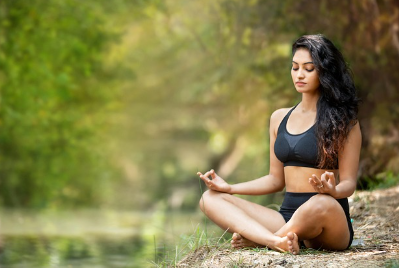
Relaxation centers provide comprehensive wellness environments promoting mental tranquility, physical restoration, and holistic balance through integrated yoga practices, guided meditation sessions, and specialized anti-stress programs addressing modern life pressures. Yoga instruction offers systematic practice integrating physical postures, breathing techniques, and mindful awareness cultivating strength, flexibility, balance, and inner peace through diverse style offerings including Hatha, Vinyasa, Yin, and Restorative approaches accommodating all experience levels. Meditation training teaches mental cultivation techniques including mindfulness awareness, breath focus, body scanning, and visualization practices developing present-moment attention, emotional regulation, stress reduction, and consciousness expansion through regular guided and independent practice. Anti-stress programs combine multiple therapeutic modalities including relaxation techniques, breathing exercises, mindful movement, cognitive reframing, and lifestyle guidance systematically reducing stress levels, managing anxiety, improving sleep quality, and enhancing overall well-being. Mindfulness education develops present-moment awareness through attention training, acceptance practices, non-judgmental observation, and conscious living principles improving emotional intelligence, stress resilience, and life satisfaction. Breathing practices teach conscious respiration techniques including diaphragmatic breathing, alternate nostril breathing, box breathing, and pranayama exercises regulating nervous system function, reducing anxiety, improving focus, and promoting relaxation responses. Relaxation therapy incorporates progressive muscle relaxation, guided imagery, body awareness, and systematic tension release supporting physical relaxation, mental quieting, and stress recovery. Wellness counseling provides personalized guidance addressing stress sources, lifestyle factors, self-care practices, and behavioral patterns supporting sustainable wellness development and balanced living.
HOLISTIC APPROACH TO WELL-BEING
Mind-body connection recognizes fundamental interdependence between mental states and physical conditions establishing holistic wellness approaches addressing both dimensions simultaneously. Ancient wisdom traditions including yoga, meditation, and mindfulness practices emphasize consciousness cultivation, breath awareness, and intentional movement integration promoting harmonious balance between psychological well-being and physiological health. Modern research validates traditional understanding demonstrating measurable connections between mental stress and physical manifestations including muscle tension, immune function, cardiovascular health, digestive efficiency, and overall vitality. Integrated practice approaches combine physical postures strengthening body awareness, breathing techniques regulating nervous system function, and mental training developing emotional intelligence creating comprehensive wellness effects. Mindful movement practices including yoga asanas cultivate proprioceptive awareness, muscular balance, joint mobility, and energetic flow while simultaneously developing mental focus, present-moment attention, and conscious embodiment. Meditation training quiets mental activity, reduces stress hormone production, lowers blood pressure, improves immune response, and promotes cellular regeneration demonstrating tangible physical benefits from mental practices. Breath awareness serves as bridge between conscious and unconscious processes enabling voluntary nervous system regulation, stress response modulation, and autonomic balance restoration supporting both mental calm and physical relaxation.
Stress management addresses modern life pressures through systematic relaxation techniques, adaptive coping strategies, lifestyle modifications, and resilience development reducing negative stress impacts while maintaining healthy challenge responses. Chronic stress exposure produces significant health consequences including cardiovascular disease, immune suppression, digestive disorders, sleep disturbances, mental health challenges, and accelerated aging processes requiring proactive management approaches. Relaxation response activation through practices including progressive muscle relaxation, guided imagery, deep breathing, and meditation counteracts stress physiology reducing cortisol levels, lowering blood pressure, decreasing heart rate, and promoting parasympathetic nervous system dominance. Cognitive approaches including reframing, perspective shifting, and mindfulness acceptance modify stress perception transforming overwhelming challenges into manageable situations through mental attitude adjustments. Behavioral strategies including time management, boundary setting, regular exercise, adequate sleep, and social connection address stress sources directly reducing exposure while building resilience capacity. Mind-body practices combining physical activity with mental focus including yoga, tai chi, and qigong provide dual benefits reducing stress hormones while building physical vitality and emotional equilibrium.
Mindfulness practice develops present-moment awareness through systematic attention training, acceptance cultivation, and non-judgmental observation improving emotional regulation, stress resilience, and overall well-being. Regular practice reduces anxiety, enhances focus, improves relationships, and increases life satisfaction through conscious living principles. Meditation techniques teach mental observation, thought detachment, and awareness expansion promoting psychological flexibility and emotional balance.
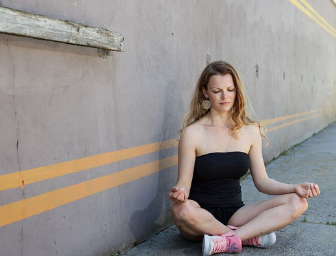
HOLISTIC HEALTH IMPROVEMENTS
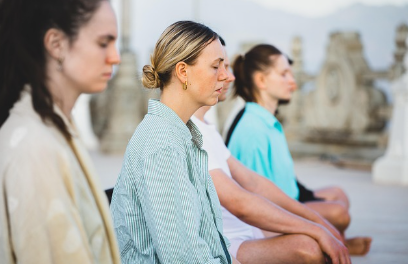
Physical wellness improvements manifest through regular relaxation and movement practices including increased flexibility, enhanced strength, improved balance, better posture, and greater body awareness supporting overall health and vitality. Yoga practice systematically develops muscular strength through sustained posture holding, improves flexibility through progressive stretching, enhances balance through stability training, and refines coordination through movement sequencing. Breathing exercises improve respiratory efficiency, increase lung capacity, enhance oxygen delivery, and promote cardiovascular health through conscious breath control and diaphragmatic engagement. Relaxation practices reduce muscle tension, lower blood pressure, decrease heart rate, improve digestion, enhance immune function, and promote cellular regeneration through stress hormone reduction. Movement meditation including gentle yoga, tai chi, and mindful walking combines physical activity benefits with mental training advantages improving both bodily health and psychological well-being. Regular practice establishes sustainable exercise habits, increases body awareness, promotes injury prevention, supports healthy aging, and maintains functional capacity throughout life. Stress reduction through relaxation practices prevents stress-related physical conditions including tension headaches, digestive issues, sleep disturbances, and chronic pain syndromes.
Mental clarity enhancement occurs through meditation and mindfulness practices improving focus, concentration, memory, decision-making, and cognitive performance while reducing mental fog and distraction. Meditation training develops attention control through sustained focus exercises, improves working memory through mental discipline, enhances information processing through neural efficiency, and promotes mental flexibility through perspective shifting practices. Mindfulness practice reduces rumination, decreases worry, quiets mental chatter, and creates psychological space between stimulus and response improving emotional regulation and behavioral choices. Stress reduction improves cognitive function through cortisol level normalization, enhances neuroplasticity through relaxation response activation, and protects brain health through inflammation reduction. Regular practice increases gray matter density in brain regions associated with learning, memory, emotional regulation, and self-awareness demonstrating measurable neurological changes. Mental training improves creativity through enhanced divergent thinking, supports problem-solving through cognitive flexibility, and promotes insight through contemplative reflection. Breathing practices increase oxygen supply to brain tissues, improve cerebral blood flow, enhance mental alertness, and support optimal cognitive performance.
Emotional balance development through mindfulness and relaxation practices improves mood stability, reduces anxiety, alleviates depression symptoms, enhances emotional intelligence, and promotes psychological resilience supporting mental health. Meditation practice cultivates equanimity through non-reactive observation, develops emotional awareness through feeling recognition, and promotes acceptance through non-judgmental attitude cultivation reducing emotional reactivity. Mindfulness training improves emotion regulation through awareness development, enhances distress tolerance through acceptance practices, and supports adaptive coping through conscious response selection rather than automatic reaction. Relaxation practices activate parasympathetic nervous system reducing stress hormones, promoting feel-good neurotransmitter production, and restoring emotional equilibrium following stress exposure. Regular practice reduces anxiety symptoms through worry reduction, alleviates depression through mood improvement, and prevents burnout through stress management supporting overall mental health. Self-compassion development through loving-kindness meditation improves self-relationship, reduces self-criticism, and promotes psychological well-being enhancing life satisfaction.
Sleep quality improvement results from relaxation practices reducing bedtime anxiety, quieting mental activity, releasing physical tension, and promoting parasympathetic nervous system activation supporting natural sleep onset and maintenance. Meditation before sleep calms racing thoughts, reduces worry, quiets mental chatter, and prepares consciousness for rest transition improving sleep latency and quality. Progressive relaxation releases accumulated muscular tension, reduces physical restlessness, promotes body awareness, and facilitates deep relaxation supporting comfortable sleep posture and sustained rest. Breathing exercises activate relaxation response, reduce stress hormone levels, lower heart rate, and promote calm mental state creating optimal conditions for sleep initiation. Regular practice establishes healthy sleep patterns through circadian rhythm regulation, stress reduction, and relaxation habit formation improving overall sleep architecture. Better sleep quality enhances daytime energy, improves cognitive function, supports emotional regulation, strengthens immune function, and promotes overall health and vitality.
Drug-free approaches activate body natural healing capabilities.
Lifelong wellness skills supporting ongoing health maintenance.
Deep tranquility and contentment cultivation through practice.
COMPREHENSIVE RELAXATION SERVICES
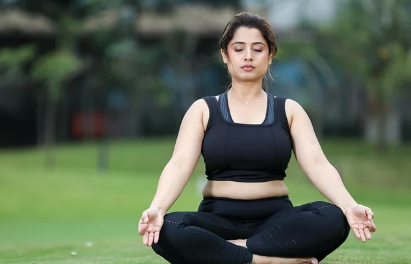
Yoga classes offer comprehensive mind-body practice integrating physical postures, breathing techniques, and meditation developing strength, flexibility, balance, and inner peace through diverse style offerings. Hatha yoga provides foundational practice emphasizing proper alignment, breath awareness, and meditative focus through accessible posture sequences suitable for beginners building essential skills. Vinyasa yoga offers dynamic flowing sequences linking breath with movement creating cardiovascular benefits, muscular endurance, and mental focus through continuous practice. Yin yoga targets deep connective tissues through long-held passive postures promoting flexibility, joint mobility, and meditative stillness supporting physical restoration and mental quieting. Restorative yoga emphasizes complete relaxation through fully supported postures held for extended periods activating parasympathetic response and promoting deep rest. Prenatal yoga adapts practice for pregnancy supporting maternal health, preparing for childbirth, and promoting fetal well-being through safe modifications. Private sessions provide personalized instruction addressing individual goals, limitations, and preferences through customized practice development.
Meditation sessions teach mental cultivation techniques developing present-moment awareness, emotional regulation, stress reduction, and consciousness expansion through guided and independent practice. Mindfulness meditation trains attention through breath focus, body awareness, and thought observation developing present-moment consciousness and non-reactive awareness reducing stress and enhancing well-being. Loving-kindness meditation cultivates compassion through systematic well-wishing practices beginning with self-compassion extending to loved ones, neutral persons, difficult people, and all beings promoting positive emotions. Body scan meditation develops somatic awareness through systematic attention moving through body regions promoting relaxation, tension release, and mind-body connection. Visualization meditation uses mental imagery creating desired states including peace, confidence, healing, and goal achievement supporting psychological well-being. Transcendental meditation employs mantra repetition quieting mental activity and promoting deep rest through effortless technique practice. Guided meditation provides verbal instruction supporting practice development through structured sessions suitable for beginners building meditation skills.
Stress relief programs combine multiple therapeutic modalities including relaxation techniques, breathing exercises, mindful movement, cognitive strategies, and lifestyle guidance systematically reducing stress levels and enhancing resilience. Comprehensive assessment identifies individual stress sources, response patterns, coping mechanisms, and lifestyle factors creating personalized intervention approaches. Relaxation training teaches progressive muscle relaxation, guided imagery, autogenic relaxation, and body awareness practices activating parasympathetic response and reducing stress physiology. Breathing education instructs diaphragmatic breathing, box breathing, alternate nostril breathing, and pranayama techniques regulating nervous system function and promoting calm states. Mindful movement incorporates gentle yoga, tai chi, walking meditation, and conscious stretching combining physical activity with mental training benefits. Cognitive techniques address thought patterns, perspective shifts, reframing approaches, and mindfulness acceptance modifying stress perception and emotional responses. Lifestyle counseling examines sleep habits, nutrition choices, exercise routines, time management, and social connections optimizing overall wellness supporting stress resilience. Follow-up support provides ongoing guidance, practice refinement, and accountability maintaining program benefits and supporting sustainable change.
Community practice sessions building shared energy and collective support.
Personalized instruction tailored to individual needs and goals.
Intensive programs deepening practice and expanding wellness knowledge.
BEGIN YOUR WELLNESS JOURNEY
ADDRESS
Rua Morais Soares 66 A
1900-998 Lisboa
Portugal
CENTER HOURS
Monday - Friday: 7:00 - 21:00
Saturday - Sunday: 9:00 - 18:00